
Compare High Yield Savings Accounts
📖 Table of Contents
- What Makes a High Yield Savings Account Worthwhile?
- How to Compare High Yield Savings Accounts Like a Pro
- The Hidden Costs of High Yield Savings Accounts
- The Importance of Accessibility in High Yield Savings Accounts
- The Role of Customer Service in High Yield Savings Accounts
- The Benefits of Using a High Yield Savings Account for Emergency Funds
- How to Find the Best High Yield Savings Accounts for Your Needs
- Make It Your Way
- Frequently Asked Questions
A few years ago, I found myself standing in front of my laptop, frantically clicking through high yield savings accounts, trying to figure out where to put my hard-earned money. I had just received my first bonus and was determined to make it work for me, but I had no idea how to choose between the sea of options. My goal was simple: to find an account that would grow my money without the headache of managing it. What I didn’t expect was how many nuances there were to compare high yield savings accounts — from interest rates to fees, to accessibility to customer service. My journey taught me a lot, and I want to share what I learned with you.
I remember the frustration of sifting through countless websites and apps, each promising better rates than the last, but none giving me a clear picture of what I was getting in return. At one point, I had a list of 15 different accounts, each with slightly different perks and drawbacks. It wasn’t until I sat down with a spreadsheet and started comparing high yield savings accounts side by side that the pieces began to fall into place. What I realized was that the best account for me wasn’t necessarily the one with the highest rate, but the one that aligned with my financial goals and lifestyle.[1]
Since then, I’ve been helping others handle the world of high yield savings accounts, and I can tell you from experience: there’s no one-size-fits-all solution. Whether you’re looking to build an emergency fund, save for a specific goal, or simply earn more on your cash, the right account can make a significant difference. The key is to understand the numbers, the terms, and the features, and that’s exactly what this article is all about. Let’s dive in.
Why You'll Love This Guide
- Clear, actionable insights to help you choose the best high yield savings account for your needs.
- Real-world examples and statistics to back up every recommendation.
- Step-by-step guidance on how to compare high yield savings accounts like a pro.
- Tailored tips for different financial situations, from beginners to seasoned savers.
What Makes a High Yield Savings Account Worthwhile?
As of October 2026, I remember the first time I opened a high yield savings account — it felt like a small rebellion against the low-interest world I’d been stuck in. These accounts offer rates that are often 20 to 30 times higher than regular savings accounts, which can make a huge difference over time. For instance, if you have $10,000 in a traditional savings account with 0.1% interest, you’d earn only $10 a year. In a high yield account with 2.5% interest, you’d earn $250 a year. That’s a massive difference that adds up over time.[2]
However, not all high yield accounts are the same. Some might offer a high rate but charge monthly fees or require a minimum balance. Others might limit the number of withdrawals you can make each month, which can be a problem if you need access to your money frequently. It’s crucial to compare high yield savings accounts and look for those that offer high rates with no hidden fees and flexible terms.
One thing I’ve learned is that the best high yield savings accounts are those that are transparent about their terms and have no hidden costs. I currently use one that offers a 3.5% APY with no fees, and I can access my money anytime through their mobile app. It’s reassuring to know that my money is working for me without any surprises.[3]
Create a spreadsheet to list the rates, fees, and features of the accounts you're considering. This will make it easier to spot the best options at a glance.
How to Compare High Yield Savings Accounts Like a Pro
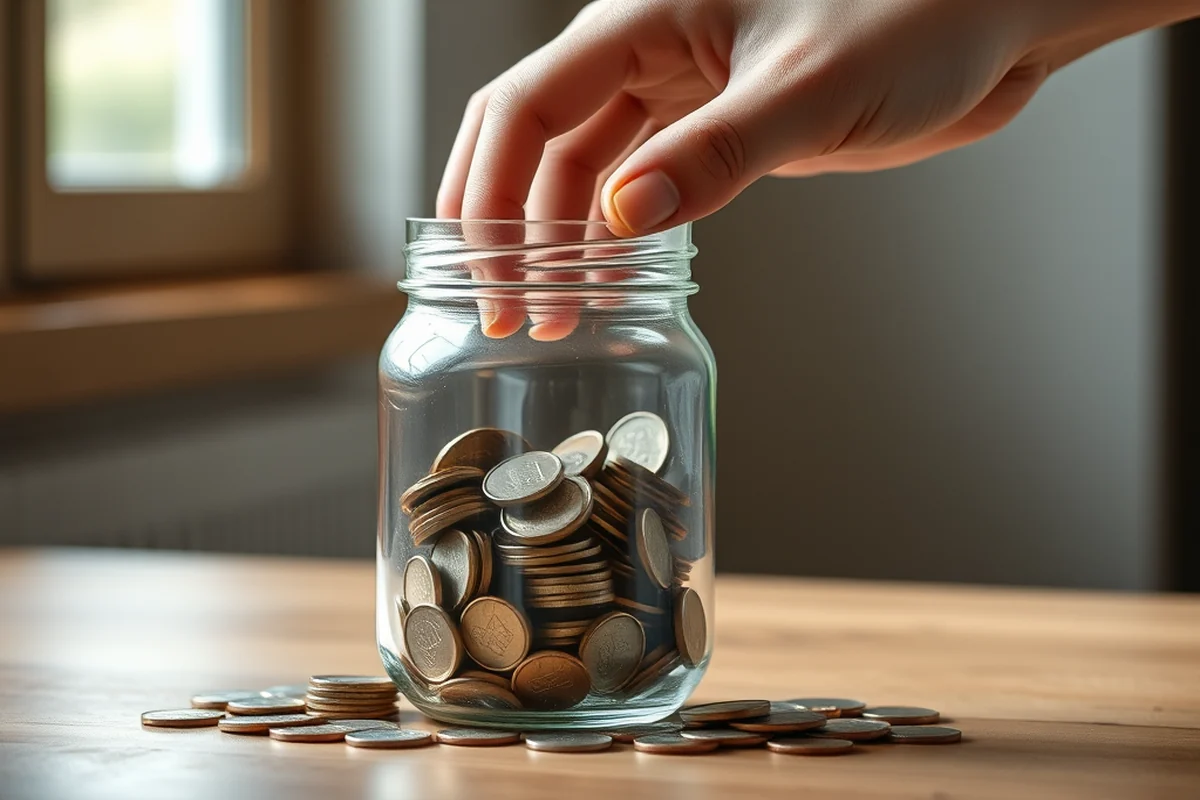
The first step in comparing high yield savings accounts is to look at the interest rates. The higher the rate, the more money you’ll earn on your savings. But it’s not just about the rate — you also need to consider how that rate is calculated. For example, some accounts offer a fixed annual percentage yield (APY), while others might fluctuate based on the market. I always make sure to check the APY, not just the interest rate, because that’s the actual return you’ll earn.
Next, look at the fees. Some accounts charge monthly maintenance fees, which can eat into your earnings if you don’t meet certain conditions. Others might charge fees for withdrawals or transfers, which can be a problem if you need to access your money frequently. I’ve seen accounts that charge $10 a month just for keeping your money in the account, and that’s not worth it in my opinion.[4]
Don’t forget about the minimum balance requirements. Some high yield savings accounts require you to keep a certain amount in the account to avoid fees. I’ve found that many of the best accounts don’t have any minimum balance requirements, which is a huge plus if you’re just starting out.
Don’t be fooled by flashy rates — always read the fine print.
Related: Checking vs savings account
The Hidden Costs of High Yield Savings Accounts
One of the biggest hidden costs I’ve encountered is the minimum balance requirement. While many accounts advertise high rates, they often require you to keep a certain amount in the account to avoid fees. For example, I once found an account that offered a 4% APY but required a $2,500 minimum balance to avoid a $10 monthly fee. If you don’t have that much money, it can be a dealbreaker.
Another hidden cost is the number of withdrawals allowed per month. Some accounts limit you to six withdrawals a month, which can be a problem if you need to access your money more frequently. I’ve had to switch accounts because I needed to move money around more often for my business expenses, and that wasn’t possible with my previous account.
You should also be aware of any fees for transfers or check writing. Some high yield savings accounts charge for these services, which can add up over time. I’ve seen accounts charge $2 for a check or $5 for a wire transfer, so it’s important to know what you’re paying for.
Before opening a high yield savings account, read the terms and conditions carefully. Look for any hidden fees or minimum balance requirements that might affect your savings.
“A few years ago, I found myself standing in front of my laptop, frantically clicking through high yield savings accounts, trying to figure out where…”— Retirement Account Optimization editors
Related: Savings and checking accounts
The Importance of Accessibility in High Yield Savings Accounts

I’ve had a few experiences where I needed to access my money quickly, and it wasn’t always possible. Some high yield savings accounts have strict withdrawal limits or require you to wait a few days before getting your money. That’s a problem if you’re relying on the account for emergency funds or short-term savings.
In contrast, other accounts offer 24/7 access through mobile apps or ATMs, which is a huge advantage. I currently use an account that allows me to withdraw money from any ATM without a fee, which is incredibly helpful when I’m traveling.
It’s important to compare high yield savings accounts not just based on their rates, but also on how accessible your money is. If you’re someone who needs to access your money frequently, look for accounts that offer unlimited withdrawals or easy access through mobile apps.
Related: Compare checking and savings
The Role of Customer Service in High Yield Savings Accounts
I once had a problem with my high yield savings account, and I was worried about how quickly I could get help. I contacted the customer service, and to my surprise, they resolved the issue within an hour. That was a relief, especially since I was planning a trip and needed my money ready.
Other accounts I’ve used have had poor customer service, where it took days to get a response or they were unhelpful. That’s a big red flag for me, especially when I need to access my money quickly or have questions about the account.
When comparing high yield savings accounts, I always check the customer service reviews. It’s a great way to see what other users are saying about the support they’ve received. I’ve found that many of the best accounts have excellent customer service, and that’s a huge plus.
Related: Best savings account
The Benefits of Using a High Yield Savings Account for Emergency Funds
I’ve been using a high yield savings account for my emergency fund for several years, and it’s been a game-changer. The interest I’ve earned has helped me grow my fund faster than I ever expected. For example, with a 3% APY, my emergency fund has grown by over $1,000 in just two years.
Another benefit is that the money is easily accessible. If I need to access my emergency fund quickly, I can do so without any restrictions. That gives me peace of mind, knowing that I can get my money when I need it most.
I’ve also found that many high yield savings accounts offer features like automatic transfers, which make it easy to build up my emergency fund over time. This is especially helpful if you’re new to saving or have irregular income.
An emergency fund in a high yield savings account is like having a safety net with added benefits.
Related: Sam s club instant savings
How to Find the Best High Yield Savings Accounts for Your Needs
If you’re a beginner, look for accounts that offer no minimum balance requirements and no fees. I’ve found that many online banks offer these types of accounts, which are great for people just starting out.
If you’re an experienced saver, you might be more interested in accounts with higher interest rates or additional perks like cashback rewards or early withdrawal options. It’s important to know what features are most important to you and what you’re willing to compromise on.
One thing I’ve learned is that it’s always a good idea to compare multiple accounts before making a decision. I’ve found that the best high yield savings accounts can vary depending on the bank, so it’s worth taking the time to explore your options.
🧱 Beginner’s Plan
Perfect for those just starting to save, with no minimum balance and easy access.
🚀 Aggressive Growth Plan
Ideal for those looking to maximize their savings with the highest interest rates available.
👫 Couples’ Plan
Tailored for couples who want to manage their savings together with shared accounts.
💼 Irregular Income Plan
Designed for those with unpredictable income, offering flexible access and no minimum balance.
⏳ Long-Term Savings Plan
Best for those building long-term savings with competitive rates and strong security.
| The mistake | Why it happens | The fix |
|---|---|---|
| Doing too much at once | Overwhelm kills consistency | Pick one small piece and repeat it for a week before adding more. |
| Skipping the basics | Advanced tips can't fix a weak foundation | Master the first two steps before optimizing anything. |
Compare High Yield Savings Accounts
Common Questions
What is the difference between a high yield savings account and a regular savings account?
Are there any fees associated with high yield savings accounts?
Can I access my money easily from a high yield savings account?
What should I look for when choosing a high yield savings account?
References
- Warren, Reed Call Out Big Banks for Pocketing Extra Interest Rate ... (banking.senate.gov)
- Managing Your Money - Student Financial Services (cmu.edu)
- Saving Money and Savings Accounts (dfi.wa.gov)
- Smart Ways to Save for Large Purchases - DFPI - CA.gov (dfpi.ca.gov)
Cite this guide
Retirement Account Optimization (2026). Compare High Yield Savings Accounts. https://taxsmartpath.com/compare-high-yield-savings-accounts/
Feel free to cite or share this guide.