Checking Vs Savings Account
📖 Table of Contents
- What’s the Real Difference Between Checking and Savings?
- Why Having Both Accounts Is Essential
- How to Choose the Right Account for You
- Understanding the Risks of Mixing Checking and Savings Accounts
- How to Automate Your Savings and Checking Accounts
- Common Mistakes People Make with Checking and Savings Accounts
- How to Build a Strong Financial Foundation with Checking and Savings Accounts
- Make It Your Way
- Frequently Asked Questions
I still remember the morning I opened my first savings account at 22. I was so excited that I even took a photo of the check I used to deposit my first paycheck. That same day, I was also managing my checking account — and I had no idea how to choose which one was right for what. It was a learning curve, but it taught me that understanding the difference between checking and savings accounts is a cornerstone of personal finance. These two accounts are not just different in name — they’re designed for different purposes, and knowing which is which can help you avoid costly mistakes.
Over the years, I've realized that the line between checking and savings accounts isn't always clear. Both accounts are essential, but they serve very different roles in your financial life. For example, I once tried to use my savings account to pay for a car repair, only to find out that I couldn't access the money quickly enough — and I ended up paying a $150 fee for an overdraft. That was a hard lesson, but it helped me understand the importance of keeping these accounts distinct. Checking accounts are for daily spending, while savings accounts are for building a financial cushion.[1]
Today, I use both accounts with precision. I keep my checking account open for bills, groceries, and everyday purchases, and my savings account is strictly for emergencies, goals, and long-term stability. The difference is subtle, but the impact is huge. If you're not careful, you might find yourself in a situation where you're forced to use your savings for something you shouldn’t — and that’s where the real financial trouble begins.
Why You'll Love This Guide
- Understand the key differences between checking and savings accounts to make smarter financial decisions.
- Avoid costly mistakes like overdrawing or using savings for daily spending.
- Learn how to structure your accounts for long-term financial stability.
- Find the right type of account for your income, spending habits, and financial goals.
What’s the Real Difference Between Checking and Savings?
As of September 2026, Checking accounts are designed for frequent transactions — paying bills, buying groceries, and transferring money. They often come with features like debit cards and online banking. I use mine daily for everything from grocery shopping to paying my rent. On the other hand, savings accounts are meant to be used sparingly. They earn interest and are better suited for emergency funds or savings goals. I keep mine untouched unless I’m transferring money for a specific purpose, like a vacation or a down payment on a house.
One key difference is accessibility. Checking accounts let you access your money instantly, while savings accounts may have restrictions — like a limit on the number of withdrawals per month. I had to wait until the next month to withdraw from my savings account after I made three withdrawals in one week. That taught me the importance of planning ahead and knowing the rules of each account type.
Interest is another factor. Most savings accounts earn interest, which helps your money grow over time. Checking accounts rarely earn interest, unless they're premium accounts with high balances. I once had a checking account that earned 0.5% interest, but it wasn’t enough to make a difference in my overall savings plan. (10 percent, pmc.ncbi.nlm.nih.gov)[2]
Read the fine print on your account’s withdrawal limits and interest rates. This can help you avoid surprises and make better financial decisions.
Why Having Both Accounts Is Essential
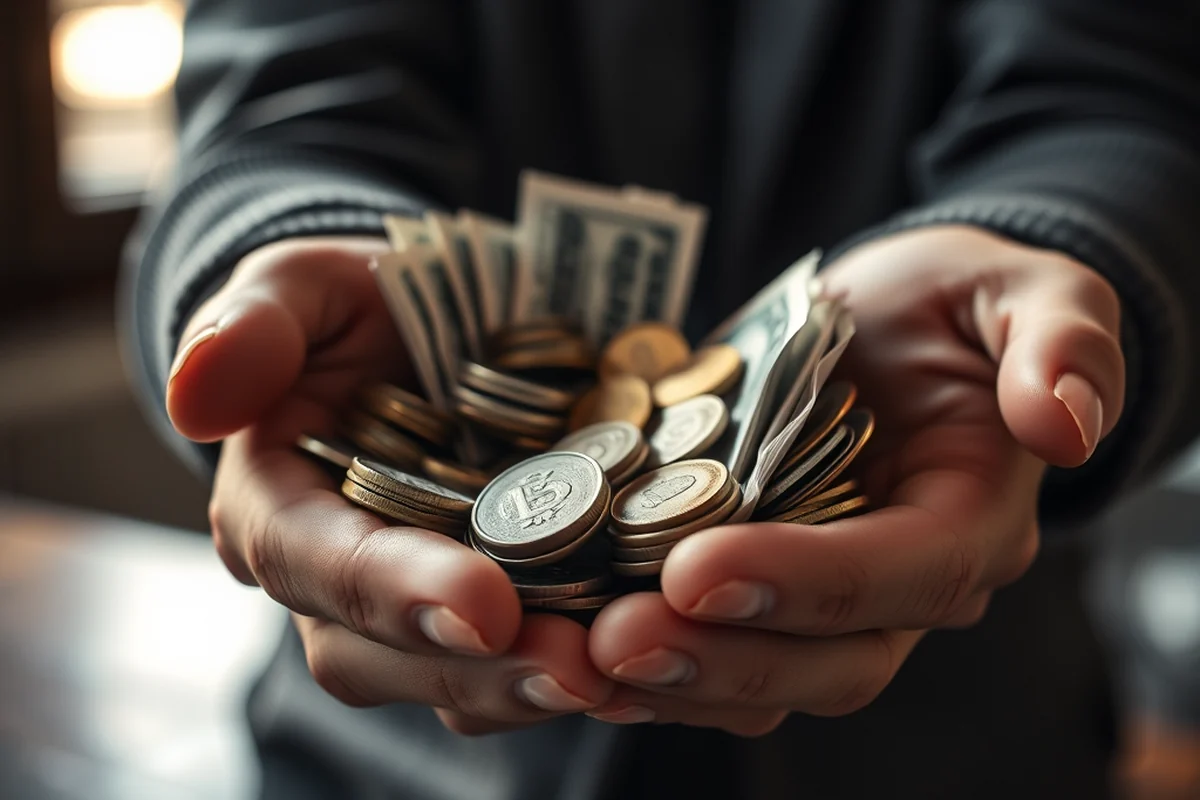
When I first started working, I only had a checking account. That led to frequent overdrafts and unnecessary fees. After I opened a savings account and began setting aside money each month, I noticed a significant improvement in my financial habits. I now see my savings account as a financial buffer that helps me avoid the stress of unexpected expenses.
Having a dedicated savings account encourages disciplined saving. I used to spend money as soon as I received it, but now I automatically transfer a portion of my paycheck to my savings account before I even see it. This habit has helped me build an emergency fund, which has been invaluable during unexpected situations, like a sudden car repair or an unexpected medical bill.
Separating your money into different accounts also helps you track your spending. I use my checking account for daily expenses and my savings account for long-term goals. This separation makes it easier to see where my money is going and helps me make more informed financial decisions.
The best financial habit is to have a checking account for your daily needs and a savings account for your future.
Related: Account optimization
How to Choose the Right Account for You
If you have a steady income and use your money frequently, a checking account is a must. It should have features like a debit card, online banking, and easy access to funds. I use my checking account to pay for everything from groceries to streaming services. It’s the account I turn to when I need to make quick transactions.
For your savings account, look for one that offers a good interest rate and has flexible withdrawal options. I currently use a savings account that offers 1.5% interest — that’s enough to make a small but noticeable difference in my savings over time. I also make sure my savings account has a limit of at least six withdrawals per month, so I don’t get caught off guard by withdrawal restrictions.[3]
If you’re just starting out, consider opening a high-yield savings account that offers better interest rates than traditional banks. These accounts can help your savings grow faster, even if you don’t have a lot of money to begin with. I started with just $500, and over two years, my savings grew by about 25% — thanks to the interest.
Look for accounts with higher interest rates to maximize your savings growth. Even a small difference in interest can add up over time.
“I still remember the morning I opened my first savings account at 22.”— Retirement Account Optimization editors
Related: Savings and checking accounts
Understanding the Risks of Mixing Checking and Savings Accounts

I once tried to use my savings account to pay for a car repair, only to find out that I couldn’t access the money quickly enough. The repair shop wouldn’t accept a check, and my savings account had a limit on the number of withdrawals per month. I ended up paying a $150 fee for an overdraft on my checking account — a costly mistake that taught me the importance of keeping these accounts separate.
Mixing accounts can also cause you to miss out on interest. If you withdraw money from your savings account for daily expenses, you lose the interest you would have earned. I used to do that, and it cost me hundreds of dollars in potential interest over the years. Now, I make sure to keep my savings account untouched unless I have a specific need for the money.
It’s also easy to overspend if you don’t have a clear separation between your accounts. I used to transfer money from my savings account to my checking account every week to cover my expenses, which led to overspending and a lack of savings. Now, I only transfer money from my savings account when I need it for a specific purpose, which has helped me stay on track with my financial goals.
Related: Compare checking and savings
How to Automate Your Savings and Checking Accounts
I use automatic transfers to move money from my checking account to my savings account each month. This helps me save consistently without having to think about it. I set up the transfer to occur right after I receive my paycheck, which ensures that I’m not spending money I need to save.
Automating your savings can also help you build a financial cushion over time. I’ve been using this method for about three years, and my savings account has grown significantly. I now have an emergency fund that covers six months of expenses, which has given me peace of mind during unexpected times.
Automating your checking account can also help you avoid overdrafts. I set up alerts to notify me when my checking account balance is low, so I can take action before I overspend. This has helped me avoid several overdraft fees over the years and has made managing my money much easier.
Related: Best savings account
Common Mistakes People Make with Checking and Savings Accounts
One common mistake is using your savings account for everyday expenses. I used to do that, and it cost me hundreds of dollars in potential interest. Now, I make sure to keep my savings account untouched unless I have a specific need for the money.
Another mistake is not reading the fine print on your account’s withdrawal limits and interest rates. I once had a savings account that allowed only three withdrawals per month, and I didn’t realize it until I tried to use it for an emergency. That led to a stressful situation where I had to find alternative ways to cover my expenses.
People also often fail to track their spending, which can lead to overspending and a lack of savings. I used to do that, and it cost me more in the long run. Now, I use budgeting apps to track my expenses and make sure I’m not overspending on unnecessary items.
The best way to avoid financial mistakes is to understand the rules of your accounts and track your spending regularly.
Related: Sam s club instant savings
How to Build a Strong Financial Foundation with Checking and Savings Accounts
Having a checking account for daily expenses and a savings account for long-term stability is essential for financial health. I use my checking account to pay for everything from groceries to streaming services. It’s the account I turn to when I need to make quick transactions.
A savings account should be used for building an emergency fund, saving for future goals, and long-term stability. I’ve been using my savings account to build an emergency fund that covers six months of expenses. This has given me peace of mind during unexpected times.
By keeping these accounts separate, you can avoid financial mistakes and make better financial decisions. I’ve learned that the key to financial stability is to have a checking account for your daily needs and a savings account for your future.
💰 Tight Budget
Ideal for those with limited funds, this plan focuses on minimal fees and maximizing interest on every dollar.
🚀 Aggressive Payoff
Designed for individuals aiming to grow savings quickly, with high-yield accounts and smart investment strategies.
📈 Irregular Income
Best for people with fluctuating income, offering flexible accounts and automatic transfers to help with savings goals.
👫 Couples
Perfect for couples, this plan includes joint accounts and shared savings goals to help build wealth together.
🧭 Beginner
Tailored for new savers, this plan provides simple steps and clear guidance to help you start saving today.
| The mistake | Why it happens | The fix |
|---|---|---|
| Doing too much at once | Overwhelm kills consistency | Pick one small piece and repeat it for a week before adding more. |
| Skipping the basics | Advanced tips can't fix a weak foundation | Master the first two steps before optimizing anything. |
Checking Vs Savings Account
Common Questions
Can I use my savings account for daily expenses?
What’s the best way to avoid overdrafts on my checking account?
How much should I save each month?
Can I have multiple checking and savings accounts?
References
- 2025 Instructions for Form 1120 - IRS (irs.gov)
- How Financial Literacy and Impatience Shape Retirement Wealth ... (pmc.ncbi.nlm.nih.gov)
- Child Savings Accounts: Overview and Analysis - Congress.gov (congress.gov)
Cite this guide
Retirement Account Optimization (2026). Checking Vs Savings Account. https://taxsmartpath.com/checking-vs-savings-account/
Feel free to cite or share this guide.