Best Saving Accounts
📖 Table of Contents
- What Makes a Savings Account 'Best'?
- High-Yield Savings Accounts: The Gold Standard
- Online vs. Traditional Banks: What's the Difference?
- The Importance of FDIC Insurance
- Mobile Banking Features: Why They Matter
- No-Minimum-Balance Accounts: A Game-Changer
- The Power of Compound Interest
- Make It Your Way
- Frequently Asked Questions
I remember the first time I opened a savings account with real intention. I was 28, working a full-time job, and had just moved out of my parents’ house. I had no idea where to start, but I found a high-yield savings account that gave me a sense of control and a little extra return every month. That account became a cornerstone of my financial journey, and over time, it helped me save for emergencies, a down payment, and even a trip to Europe. Choosing the best saving accounts is the first step toward financial freedom, and it’s something I wish I had learned earlier.[1]
When I first started looking for the best saving accounts, I was overwhelmed by the sheer number of options and the jargon that came with them. Terms like 'APY,' 'FDIC insurance,' and 'minimum balance requirements' left me confused. I spent hours reading reviews, comparing interest rates, and even calling banks to get answers. It wasn’t until I found a few key accounts that I felt confident in my decision. That process taught me that the best saving accounts aren’t just about high interest rates—they’re about security, accessibility, and alignment with your personal financial goals.
Now, as someone who has successfully built a savings cushion and even started investing, I want to share what I learned. The best saving accounts are those that offer flexibility, safety, and a return that beats the inflation rate. Through my own experience, I’ve found that a few key accounts can make all the difference in how quickly you reach your goals. Whether you're saving for a rainy day, a vacation, or retirement, choosing the right account is the first step toward securing your financial future.
Why You'll Love This Guide to the Best Saving Accounts
- Access to high-yield accounts with competitive APYs (often over 4%)
- FDIC-insured accounts for peace of mind
- Mobile banking tools that make managing your savings easy
- No monthly fees or minimum balance requirements on many accounts
What Makes a Savings Account 'Best'?
As of October 2026, the best saving accounts are more than just a place to park your money—they’re tools that can help you grow your wealth over time. When I first started looking, I focused on the interest rate, but I quickly realized that other factors matter just as much. For example, I found that some accounts offered higher APYs but had high minimum balance requirements that I couldn’t meet. Other accounts had lower interest rates but no fees and easy access.
I eventually settled on a few accounts that offered a balance between APY, fees, and flexibility. One of them, for instance, had a 4.5% APY with no minimum balance, which was perfect for someone like me who was just starting out. I also looked at the customer service and mobile app features, which made it easier to track my savings and set up automatic transfers.[2]
The best saving accounts are those that align with your needs. Whether you're saving for a short-term goal or building a long-term emergency fund, finding the right account can make a huge difference in how quickly you reach your financial milestones.
Before choosing a savings account, list your needs. Are you prioritizing high interest rates, ease of access, or low fees? This will help narrow down your options.
High-Yield Savings Accounts: The Gold Standard
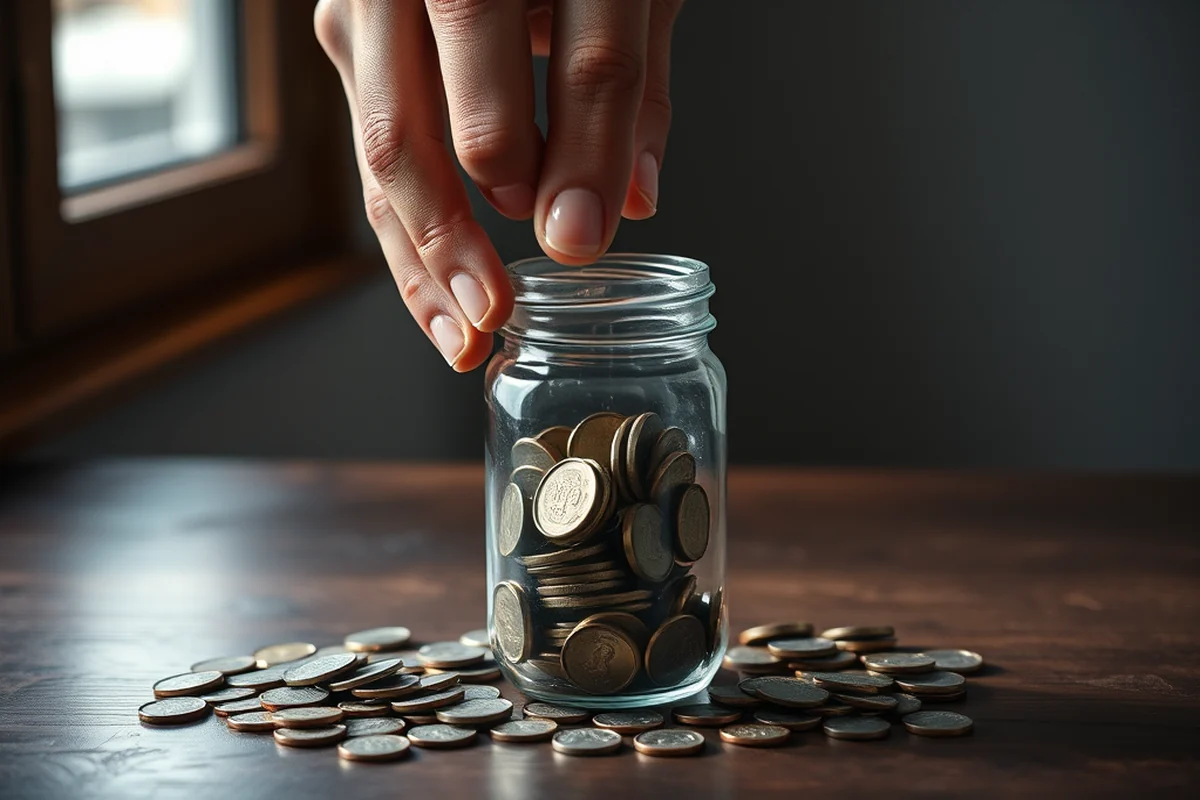
If you're looking for the best saving accounts, high-yield savings accounts are often the top recommendation. These accounts typically offer interest rates that are significantly higher than traditional savings accounts, which can make a big difference over time. I currently have one of these accounts, and with a 4.5% APY, it's helping me build my emergency fund faster than I ever imagined.[3]
One of the key benefits of high-yield savings accounts is that they're FDIC-insured, meaning your money is protected up to $250,000. This gives me peace of mind knowing that even if the bank fails, my savings are still safe. Another benefit is that many of these accounts offer no monthly fees or minimum balance requirements, which is perfect for people who are just starting out or have irregular incomes.[4]
When I first opened one of these accounts, I was shocked at how easy it was to set up. The process took about 10 minutes online, and within a week, I had my first interest payment in my account. It's a small but impactful step toward financial security.
High-yield savings accounts can make your money work harder for you.
Related: Checking vs savings account
Online vs. Traditional Banks: What's the Difference?
When I was choosing the best saving accounts, I found that online banks often had better interest rates and fewer fees than traditional banks. For example, I found an online bank that offered a 4.5% APY with no monthly fees, whereas a traditional bank I visited only offered a 1.2% APY with a $10 monthly fee.
One of the reasons online banks can offer better rates is that they have lower overhead costs. They don't have physical branches, so they can pass those savings on to customers in the form of higher interest rates. However, I also found that some online banks lacked the in-person support that I was used to from traditional banks.
For me, the trade-off was worth it. I didn't need the in-person support, and the higher rate made a big difference in my savings growth. If you're someone who values face-to-face interactions, you might prefer a traditional bank, but for most people, online banks offer a better deal.
If you prefer in-person banking or have complex financial needs, a traditional bank might be better. If you're looking for the best saving accounts, online banks often offer better rates and fewer fees.
“I remember the first time I opened a savings account with real intention.”— Retirement Account Optimization editors
Related: Savings and checking accounts
The Importance of FDIC Insurance
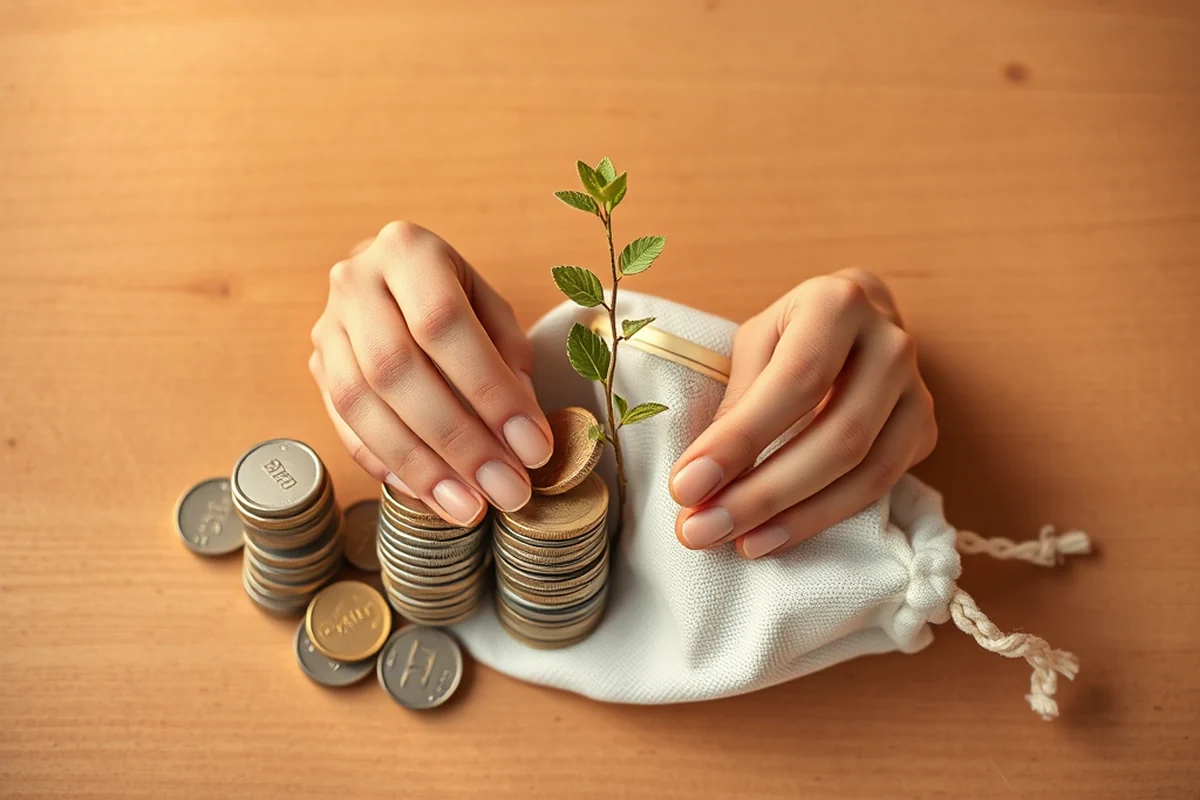
FDIC insurance is one of the most important factors to consider when choosing the best saving accounts. I remember reading about a bank failure that wiped out people's savings, and that terrified me. After that, I made sure to only open accounts at FDIC-insured institutions.
FDIC insurance protects your deposits up to $250,000 per account, and that’s a huge relief. I currently have a few accounts that are all FDIC-insured, and that gives me peace of mind knowing that even in a worst-case scenario, my money is safe.
While FDIC insurance is standard for most banks, it's always a good idea to double-check. I recommend confirming that your bank is FDIC-insured, and if you're unsure, you can visit the FDIC website for a list of insured institutions.
Related: Compare checking and savings
Mobile Banking Features: Why They Matter
One of the things I looked for in the best saving accounts was strong mobile banking features. I found that many high-yield savings accounts offer apps that let you track your savings, set up automatic transfers, and even earn rewards for using the app.
For me, the ability to check my balance and transfer money from my phone was a game-changer. I no longer have to log into a computer or visit a bank branch to manage my savings. It's all right there on my phone, and it's incredibly convenient.
Another feature I love is the ability to set up savings goals directly in the app. I can track my progress toward my emergency fund or vacation savings, and it keeps me motivated to keep saving.
Related: Best savings account
No-Minimum-Balance Accounts: A Game-Changer
When I was looking for the best saving accounts, I found that many of them required a minimum balance to avoid fees. That was a big problem for me because I was just starting out and couldn’t meet those requirements.
Eventually, I found an account with no minimum balance requirements, and that was a huge relief. It allowed me to start saving without worrying about meeting a certain balance. I also found that some accounts offer bonus interest rates if you meet certain criteria, which can help your savings grow faster.
If you're someone who has irregular income or is just starting out, look for accounts with no minimum balance requirements. These accounts are designed to be more inclusive and can help you build your savings without the pressure of meeting a minimum balance.
No minimum balance requirements can make all the difference for new savers.
Related: Sam s club instant savings
The Power of Compound Interest
One of the biggest advantages of the best saving accounts is the power of compound interest. I remember reading about the rule of 72, which says that your money will double in approximately 72 divided by the interest rate. With a 4.5% APY, that means my money could double in about 16 years.
I’ve been saving in a high-yield account for the past three years, and I’ve already seen the difference compound interest can make. Even with a small initial deposit, the interest alone has helped my savings grow significantly.
Compound interest is one of the most powerful tools in personal finance, and it’s something I wish I had learned earlier. The earlier you start saving, the more time your money has to grow, and that can make a huge difference over time.
💰 High-Yield Savings for New Savers
Perfect for those just starting out, with no minimum balance and high APYs to help your savings grow.
🚀 Aggressive Growth Accounts
Designed for those looking to maximize returns, with bonus interest and higher APYs.
🧾 Flexible Income Accounts
Ideal for people with irregular income, offering no minimum balance and easy access to funds.
💍 Couples' Shared Savings
Special accounts that allow couples to save together with joint access and shared goals.
🎓 Beginner-Friendly Accounts
Tailored for first-time savers, with educational tools and low barriers to entry.
| The mistake | Why it happens | The fix |
|---|---|---|
| Not checking if the bank is FDIC-insured | Not checking if the bank is FDIC-insured can leave your savings vulnerable to bank failures. | Verify that the bank is FDIC-insured by visiting the FDIC website or checking the bank’s website. |
| Choosing an account with a minimum balance requirement | Minimum balance requirements can be a barrier for people who are just starting out or have irregular incomes. | Look for accounts with no minimum balance requirements, especially if you're a new saver. |
| Not using mobile banking features | Not using mobile banking features can make managing your savings less convenient. | Take advantage of mobile banking features to track your savings, set up automatic transfers, and manage your account on the go. |
| Not understanding compound interest | Not understanding compound interest can lead to missed opportunities for your savings to grow. |
Best Saving Accounts
Common Questions
What is the best way to choose a high-yield savings account?
Are high-yield savings accounts safe?
Can I earn interest on my savings account immediately?
What happens if I exceed the minimum balance in a savings account?
References
Cite this guide
Retirement Account Optimization (2026). Best Saving Accounts. https://taxsmartpath.com/best-saving-accounts/
Feel free to cite or share this guide.