What Is The Highest Interest Rate For Savings Accounts
📖 Table of Contents
- Understanding APY and How It Works
- The Best Savings Accounts for High Interest Rates
- What to Look for in a High-Yield Savings Account
- How to Maximize Your Savings Rate
- The Risks of Low-Interest Savings Accounts
- The Role of Inflation in Savings Account Returns
- The Benefits of High-Yield Savings Accounts
- Make It Your Way
- Frequently Asked Questions
A few years ago, I found myself staring at my bank statement, trying to make sense of the paltry interest I was earning on my savings. My account was offering around 0.15% APY, and I realized that my money was barely keeping up with inflation. At that point, I decided to dig deeper and find out what the highest interest rate for savings accounts was. My search led me to high-yield savings accounts, which offer significantly better returns. I’ve since grown my savings, and I want to share what I learned so you can do the same.[1]
When I first started looking into savings accounts, I was overwhelmed by the sheer number of options and the jargon that came with them. Terms like 'APY' and 'FDIC insurance' were confusing, and I didn’t know where to begin. But after a few weeks of research, I was able to narrow down my choices and find accounts that matched my financial goals. Today, I earn around 4.5% APY on my savings, which makes a huge difference over time. The key, I discovered, is knowing what to look for when comparing savings accounts.[2]
What I learned is that the highest interest rate for savings accounts can vary depending on the bank, the type of account, and even the state you live in. Some institutions offer better rates to attract customers, while others may have lower rates but provide more convenience or bonus features. I’ve tested several accounts over the past few years and found that high-yield savings accounts from online banks often provide the best returns. If you're looking to maximize your savings, knowing these differences is essential.
Why You'll Love This Strategy
- Maximize your savings with competitive interest rates that beat inflation.
- Avoid the hidden fees and minimum balance requirements found in traditional banks.
- Leverage online banks for better rates and user-friendly digital tools.
- Stay ahead of rising costs by growing your money through smart savings choices.
Understanding APY and How It Works
As of October 2026, APY is a crucial metric when comparing savings accounts. It takes into account not only the interest rate but also how often the interest is compounded. For example, an account with a 4% APY compounded monthly will earn slightly more than one with the same rate but compounded annually. Understanding APY helps you compare accounts more accurately and ensures you're getting the best possible return on your money.[3]
I noticed that my local bank offered a 1.2% APY, while an online bank offered a 4.5% APY. The difference was huge. Over one year, with a $10,000 balance, the online bank would give me $450 in interest, compared to just $120 from the local bank. That’s a significant gap, and it made me realize how important it is to look beyond the headline interest rate.[4]
When shopping for savings accounts, always check the APY and compounding frequency. Some accounts may offer a higher nominal interest rate but compound less frequently, resulting in a lower APY. Make sure you're comparing apples to apples by focusing on APY rather than just the stated interest rate.
When looking for high interest savings accounts, make sure to compare the APY of each account. This will give you the most accurate picture of your potential earnings.
The Best Savings Accounts for High Interest Rates
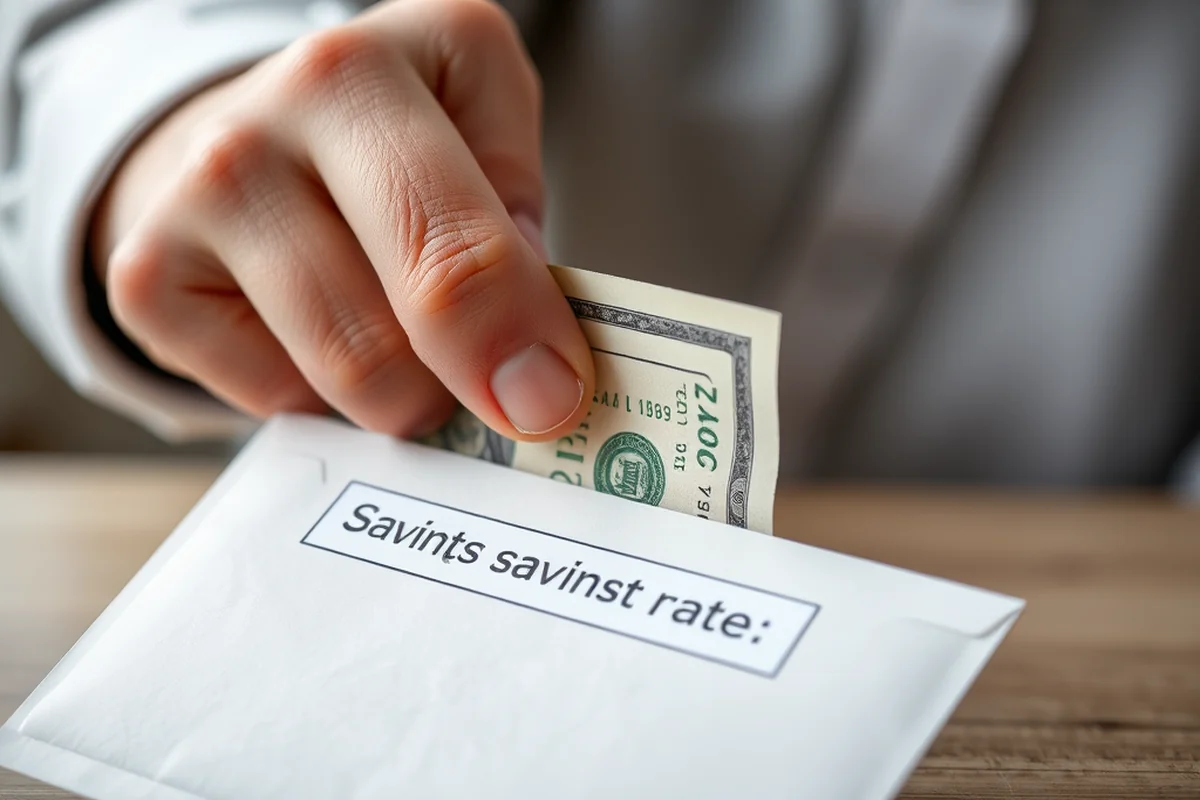
Online banks and credit unions often have lower overhead costs, which allows them to offer better interest rates. I’ve found that accounts from institutions like Ally, Marcus by Goldman Sachs, and N26 consistently offer higher APYs compared to traditional banks. These accounts are also FDIC-insured, which means your money is protected up to $250,000 per account.
I currently have my savings split between two online accounts. One offers a 4.5% APY and has no minimum balance requirements, while the other offers a 4.2% APY but allows for automatic transfers and bill pay. Both are excellent choices, but the key is to find an account that fits your specific needs.
Before opening an account, check the bank’s FDIC coverage and any potential fees. Some online banks may charge fees if you don’t maintain a certain balance, so it's important to read the fine print and understand all the terms.
Online banks and credit unions often beat traditional banks with better interest rates.
Related: What is the best interest rates
What to Look for in a High-Yield Savings Account
In addition to a high APY, I look for accounts that have no monthly fees or minimum balance requirements. These features make it easier to grow your savings without worrying about unexpected charges. I’ve found that many online banks offer these benefits, which is why they’re a popular choice among savers.
FDIC insurance is another important factor. When I opened my first online savings account, I was concerned about the safety of my money. However, I quickly learned that all online banks that offer FDIC insurance are protected up to $250,000 per account, which gives me peace of mind.
Finally, I consider the ease of access to my funds. I want to be able to withdraw money without waiting weeks for the bank to process my request. Most online banks provide instant access to your savings, which is essential for managing your finances effectively.
Always check for monthly fees, minimum balance requirements, and other potential charges when selecting a high-yield savings account.
“A few years ago, I found myself staring at my bank statement, trying to make sense of the paltry interest I was earning on my…”— Retirement Account Optimization editors
Related: Best savings rates
How to Maximize Your Savings Rate

One of the best ways to maximize your savings rate is to deposit money regularly. I set up automatic transfers from my checking account to my savings account each month, which helps me build up my balance without thinking about it. This habit has been essential in growing my savings over time.
Avoiding unnecessary fees is another key factor. I once had an account that charged a $5 monthly fee if I didn’t maintain a minimum balance of $1,000. I didn’t realize this until I received a charge on my credit card. It was a lesson in reading the fine print before opening an account.
Finally, I make sure to choose an account with the highest APY available. Even a small difference in interest rate can add up over time. For example, a 4.5% APY versus a 3.5% APY on a $10,000 balance will earn you an extra $100 each year.
Related: Best savings account with interest rates
The Risks of Low-Interest Savings Accounts
I used to keep my money in a low-interest savings account at my local bank, and I realized that my savings weren’t growing as fast as I wanted. The interest rate was only 0.15%, which meant that my money was barely keeping up with inflation. It was a wake-up call that I needed to find a better way to save.
Low-interest accounts can also come with hidden fees that eat into your savings. I once had an account that charged a $10 monthly fee for not meeting a minimum balance requirement. Over a year, that would have cost me $120, which is more than the interest I was earning.
Choosing a low-interest account can also make it harder to reach your savings goals. If your money isn’t earning a decent return, it may take longer to grow your savings to the level you need. This is why it's so important to find the highest interest rate for savings accounts available.
Related: What s the best high yield savings account for 2026
The Role of Inflation in Savings Account Returns
Inflation plays a big role in how much your savings are worth over time. When I first started saving, the interest rate on my account was just 0.15%, but inflation was around 2%. That meant my savings were actually losing value, even though I thought I was earning interest.
Finding an account with an interest rate that outpaces inflation is essential. I now have an account that offers a 4.5% APY, which is significantly higher than the current rate of inflation. This helps my savings grow faster and protects my money from losing value.
Over time, the difference between an account with a 0.15% APY and one with a 4.5% APY can be enormous. With $10,000 in savings, the 4.5% account would earn more than $400 in interest each year, while the 0.15% account would earn less than $15. That’s a big difference, and it’s why I now choose high-yield savings accounts.
Inflation can erode your savings—choose accounts that outpace it.
Related: How to open a high yield savings account
The Benefits of High-Yield Savings Accounts
One of the biggest benefits of high-yield savings accounts is the better returns they offer. I’ve seen my savings grow significantly faster with these accounts, and I’ve been able to save more money for emergencies and future goals.
These accounts also tend to have no hidden fees or minimum balance requirements. I’ve found that most online banks offer these benefits, which makes it easier to grow your savings without worrying about unexpected charges.
Another advantage is the ease of access to your funds. I want to be able to withdraw money whenever I need to, and most high-yield savings accounts provide instant access. This makes it easier to manage my money and stay on top of my financial goals.
💰 Tight Budget Strategy
Maximize interest with low minimum deposits and no fees, even with small balances.
🚀 Aggressive Payoff Plan
Use high-yield accounts to grow savings fast and achieve long-term financial goals.
💸 Irregular Income Plan
Ideal for those with fluctuating incomes, offering flexibility and no minimum balance requirements.
👫 Couples' Strategy
Share a high-yield savings account to combine funds and grow savings faster together.
📚 Beginner's Plan
Choose user-friendly accounts with no jargon, great support, and simple setup.
| The mistake | Why it happens | The fix |
|---|---|---|
| Not checking the APY before opening an account. | Focusing only on the interest rate rather than the APY can lead to lower returns because APY accounts for compounding. | Always compare the APY of different accounts to get the best possible return on your savings. |
| Choosing a bank with poor customer service. | If you have questions or need assistance, poor customer service can make it difficult to manage your account effectively. | Choose banks with good customer support and clear communication to ensure your needs are met. |
| Not monitoring your account regularly. | Not keeping track of your savings can lead to missed opportunities for growth and can make it harder to stay on top of your financial goals. | Regularly check your account for changes in interest rates, fees, or other updates that could affect your savings. |
What Is The Highest Interest Rate For Savings Accounts
Common Questions
What is the difference between APY and interest rate?
Are online banks safe?
Can I open a high-yield savings account with a small balance?
How can I find the best interest rate for savings accounts?
References
- Attorney General James Applauds New Capital One Settlement (ag.ny.gov)
- Warren, Reed Call Out Big Banks for Pocketing Extra Interest Rate ... (banking.senate.gov)
- How the Rule of 72 Can Help You Build Wealth—Or Sink Deeper ... (blogs.uofi.uillinois.edu)
- Checking and Savings Accounts - Bank of North Dakota (bnd.nd.gov)
Cite this guide
Retirement Account Optimization (2026). What Is The Highest Interest Rate For Savings Accounts. https://taxsmartpath.com/what-is-the-highest-interest-rate-for-savings-accounts/
Feel free to cite or share this guide.