Difference Between Checking Savings Account
📖 Table of Contents
I remember the first time I confused a checking account with a savings account — it felt like I was trying to use a hammer to paint a house. I had just landed my first job, and I was eager to start building a financial foundation. I opened an account, thought it was a savings account, and spent money on things like a new car and a weekend getaway. When I looked at my balance the next week, I was in shock. It wasn’t until I sat down with a financial advisor that I realized the difference between checking and savings accounts is more than just a label — it's about how your money behaves, where it can go. How it can help you build a better future.[1]
Over the years, I’ve learned that this confusion isn’t unique to me. Many people still don’t fully understand the difference between checking and savings accounts, and it’s costing them more than they realize. I’ve seen friends lose money from overdraft fees, miss out on interest because they didn’t use the right account, or even fall into debt because they didn’t know how to manage their finances properly. The difference between checking and savings accounts is foundational, and understanding it is the first step in taking control of your financial life.
Now, when I sit down with someone new to personal finance, I start with this very question: What’s the difference between checking and savings accounts? It seems simple, but it’s not. Checking accounts are for everyday transactions, while savings accounts are for building wealth. One is fluid, the other is secure. One can be accessed at any time, while the other is designed to grow. Understanding this distinction is the first key to unlocking financial freedom. That’s why I’m writing this article — to give you the tools you need to make the right choices for your money.
Why You'll Love This Guide
- Avoid costly mistakes by knowing the difference between checking and savings accounts.
- Maximize your savings growth with the right account type.
- Avoid overdraft fees by using checking accounts properly.
- Build better financial habits by understanding how each account works.
What Is a Checking Account?
As of October 2026, a checking account is the financial equivalent of your wallet — it’s where you keep your day-to-day money. I use mine to pay for groceries, rent, and even gas when I need to. It’s fluid, easy to access, and perfect for managing daily expenses. However, checking accounts typically don’t earn interest, which is why I only keep the amount I need for immediate spending in there.
The key feature of a checking account is that it allows for quick access to funds. I’ve used my checking account to pay bills on time, which has helped me avoid late fees and maintain a good credit score. But I’ve also learned that using it for large purchases or keeping too much money in it can be risky. That’s why I’ve found it best to keep only what I need for the next month or two in my checking account.
One of the most important things I’ve learned is that checking accounts are not meant for saving. If I keep money in a checking account for too long, it’s just sitting there doing nothing. I’ve seen this happen to friends who didn’t know the difference, and it left them with no emergency fund or savings to fall back on.
Only keep what you need for the next 30 days in your checking account. Anything more is better suited for a savings account.[2]
What Is a Savings Account?
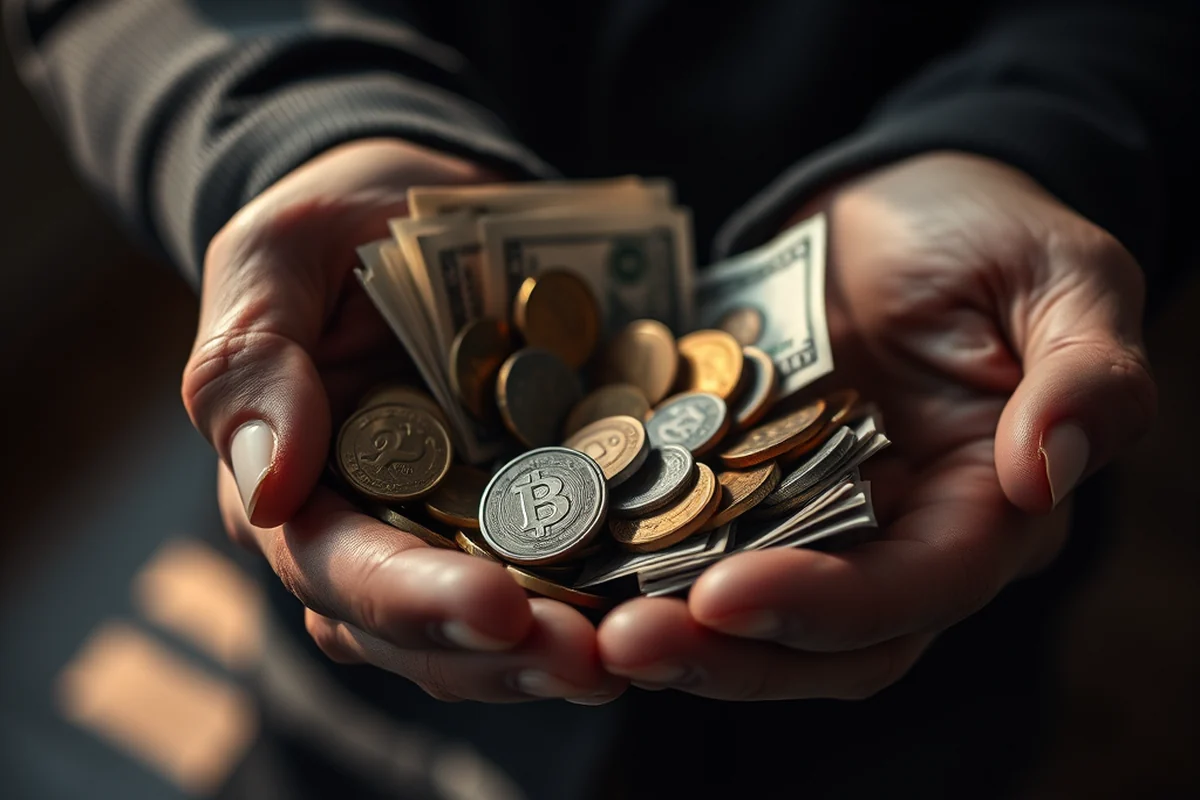
A savings account is where I put my money when I want it to grow. Unlike checking accounts, savings accounts earn interest, which means the money I deposit actually works for me. I’ve watched my savings grow over the years by consistently contributing to this account, even if it’s just a small amount each month.
One of the key benefits of a savings account is that it’s designed to help you avoid spending money you don’t have. I’ve set up automatic transfers from my checking to my savings account each week, and it’s helped me build a financial cushion that I can rely on in times of need.
It’s also a great place to keep emergency funds. I’ve had several instances where an unexpected expense came up, and my savings account was there to help me cover it without having to rely on credit cards or loans. This has saved me thousands in interest and fees over the years.
Savings accounts grow your money — checking accounts keep it moving.
Related: Checking account vs savings account
How Do Interest Rates Compare?
Interest rates are one of the most important factors to consider when choosing between a checking and savings account. I’ve seen savings accounts offer as little as 0.5% to as high as 3% interest, depending on the bank and account type. Checking accounts, on the other hand, rarely offer any interest at all.[3]
This difference can add up over time. For example, if I deposit $10,000 in a savings account with a 2% interest rate, I’ll earn about $200 in interest each year. If I had kept that same $10,000 in a checking account with no interest, I would have made nothing. This is why it’s so important to move money that you’re not planning to spend soon into a savings account.[4]
Some banks even offer high-yield savings accounts, which can give you much better returns. I’ve used one myself, and it’s made a noticeable difference in my savings growth. These accounts are especially useful if you’re looking to build wealth over time.
If your bank doesn’t offer a high-yield savings account, consider switching to one that does. Even a small increase in interest can make a big difference over time.
“I remember the first time I confused a checking account with a savings account — it felt like I was trying to use a hammer…”— Retirement Account Optimization editors
Related: Compare high yield savings accounts
Access and Usage: What You Can Do With Each Account
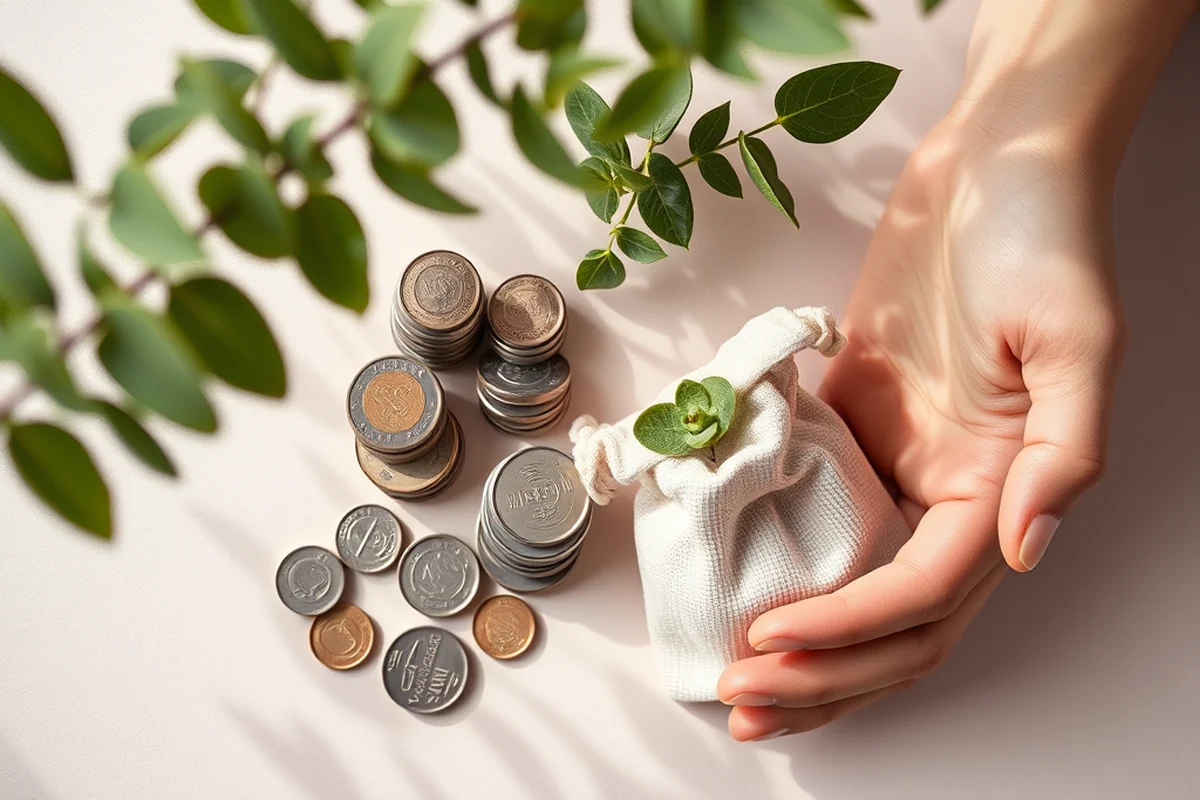
One of the biggest differences between checking and savings accounts is how they’re used. Checking accounts are designed for regular use — you can write checks, use a debit card, and make deposits and withdrawals easily. I use mine every day for things like paying rent, buying groceries, and even splitting a dinner bill with friends.
Savings accounts are not meant for daily use. Most banks limit the number of withdrawals you can make each month, typically to six. This is to encourage you to save rather than spend. I’ve had to be careful with my savings account because I don’t want to accidentally overdraw it and get charged a fee.
It’s important to know these rules because they can affect how you manage your money. I’ve seen people get into trouble when they try to use their savings account like a checking account, and it’s not worth the risk. Always treat your savings account as a separate, secure fund that’s meant for growth and emergencies.
Related: Best online savings accounts 2026
Fees and Costs: What to Watch Out For
Fees are an important consideration when choosing between a checking and savings account. Checking accounts often come with fees for things like overdrafts, monthly maintenance, or not meeting a minimum balance requirement. I’ve had to pay overdraft fees in the past because I didn’t have enough money in my checking account to cover a purchase, and it was a painful lesson.
Savings accounts can also have fees, but they’re typically related to low balances, inactive accounts, or early withdrawals. I’ve had to pay a small fee for keeping too little money in my savings account. I’ve found that most banks are willing to waive these fees if you keep a minimum balance or meet certain criteria.
It’s important to read the fine print when opening any account. I’ve found that some banks offer free checking or savings accounts if you meet certain conditions, like having direct deposit or maintaining a minimum balance. These can help you avoid unnecessary fees and save money in the long run.
Related: Checking and savings account comparison
Security and Risks: Which Is Safer?
Security is a top concern for any account holder, and both checking and savings accounts are typically safe. However, checking accounts are more vulnerable to fraud because they’re used for regular transactions. I’ve had my checking account compromised once, and it was a stressful experience that taught me the importance of monitoring my account regularly.
Savings accounts are generally more secure because they’re not used as frequently. I’ve never had my savings account hacked, and I’ve found that keeping more money in a savings account can help reduce the risk of fraud. However, I still keep an eye on both accounts and use two-factor authentication wherever possible.
Another risk to consider is the possibility of the bank failing. I’ve heard that some people worry about their money being lost if the bank goes under. I’ve learned that both checking and savings accounts are insured by the FDIC up to certain limits. This gives me peace of mind knowing that my money is protected, even in the worst-case scenario.
Protect your money by using both accounts wisely and keeping them insured.
Related: Top 10 saving accounts
How to Use Both Accounts Effectively
The key to financial success is using both checking and savings accounts effectively. I keep my checking account for daily needs and my savings account for long-term goals. This way, I’m not tempted to spend money I don’t have, and my savings are growing steadily.
I’ve also found that setting up automatic transfers from my checking to my savings account each week helps me save without thinking about it. It’s a small habit, but it’s made a big difference in my financial life. I’ve been able to build a significant emergency fund and even start investing, all because of this simple strategy.
Another thing I’ve learned is that it’s important to review your accounts regularly. I check my checking and savings accounts every few weeks to make sure everything is in order. This has helped me catch any errors or potential issues before they become a bigger problem.
💰 Tight Budget
Keep only what you need in your checking account and use a low-cost savings account to build emergency funds.
🚀 Aggressive Payoff
Use a high-yield savings account to grow your money faster and pay off debt more quickly.
📈 Irregular Income
Use a savings account to smooth out your cash flow and prepare for lean months.
🤝 Couples
Open joint accounts for shared expenses and individual savings accounts for personal goals.
🎓 Beginner
Start with a simple checking and savings account from a trusted bank to build your financial foundation.
| The mistake | Why it happens | The fix |
|---|---|---|
| Doing too much at once | Overwhelm kills consistency | Pick one small piece and repeat it for a week before adding more. |
| Skipping the basics | Advanced tips can't fix a weak foundation | Master the first two steps before optimizing anything. |
Difference Between Checking Savings Account
Common Questions
Can I have both a checking and savings account?
Which account is better for emergency funds?
Can I use my savings account to pay bills?
What happens if I overdraw my checking account?
References
- Managing Your Money, Part 2 | Consumer Financial Protection Bureau (consumerfinance.gov)
- Cash-Only Households Versus Those That Use Prepaid Cards or ... (fdic.gov)
- Immigrant Financial Services Study - NYC.gov (nyc.gov)
- certain banks - Congress.gov (congress.gov)
Cite this guide
Retirement Account Optimization (2026). Difference Between Checking Savings Account. https://taxsmartpath.com/difference-between-checking-savings-account/
Feel free to cite or share this guide.