Bank Savings Account
📖 Table of Contents
- Why a Bank Savings Account Matters
- Choosing the Right Bank Savings Account
- How to Maximize Your Savings Account
- The Power of Compound Interest
- Avoiding Common Savings Account Mistakes
- The Role of a Savings Account in Long-Term Planning
- The Future of Savings Accounts
- Make It Your Way
- Frequently Asked Questions
I used to think that a bank savings account was just a place to park money and wait for it to grow, but that couldn’t be further from the truth. When I opened my first savings account back in 2018, I was confused by the jargon, the fees, and the lack of transparency. Over the years, I’ve learned that a bank savings account is more than just a secure place to keep your money—it’s a powerful tool for achieving your financial goals. Whether you're saving for a house, an emergency fund, or a dream vacation, the right savings account can make all the difference.[1]
One of the first things I discovered was that not all savings accounts are created equal. Some offer better interest rates, others have lower fees, and a few even come with bonus incentives if you meet certain conditions. I remember the day I opened an account with an interest rate of 1.25%—at the time, that felt like a windfall. But as I dug deeper, I realized how important it was to compare different banks, read the fine print, and understand the terms and conditions before committing my money.[2]
Now, I treat my savings account like a strategic financial partner. I’ve built a system where I automatically transfer a portion of my income into my account each month, ensuring that I’m always saving even when I don’t feel like it. I’ve also learned the power of compound interest, which has turned my small monthly deposits into a substantial amount over time. If you’re thinking about opening a bank savings account, you’re in the right place. Let me walk you through everything you need to know to make the most of this essential financial tool.
Why You'll Love This Bank Savings Account Strategy
- Maximize your earnings with competitive interest rates
- Avoid unnecessary fees and hidden costs
- Automate your savings to build wealth effortlessly
- Achieve financial goals faster with smart planning
Why a Bank Savings Account Matters
As of October 2026, when I first started saving, I didn’t understand how important a bank savings account was. I used to keep money in cash under my mattress or in a piggy bank, which felt safer in the short term but didn’t help me grow my wealth. Once I opened a savings account, I saw the difference it made. Not only was my money safe from theft or loss, but it also started earning interest—something I had never considered before.
One of the biggest benefits of a bank savings account is the security it provides. My money is protected by FDIC insurance, which means even if the bank fails, I won’t lose a single dollar. That gives me peace of mind and allows me to save without constant worry. I’ve also learned that different banks offer different levels of convenience, such as mobile apps, online access, and customer service, which can make managing my savings much easier.
Another key benefit is the ability to earn interest. Even a modest interest rate can add up over time. For instance, if I save $1,000 in a bank with a 1.25% interest rate, that’s about $12.50 in a year. Multiply that by 10 years, and I’ve earned over $125. That’s not a lot, but combined with regular contributions, it can make a significant impact on my savings goals. ($100, pmc.ncbi.nlm.nih.gov)[3]
Even $50 in a savings account can be the beginning of a wealth-building journey. Don’t wait until you have a large sum to start saving—every dollar helps.[4]
Part of our Account contribution guide.
Choosing the Right Bank Savings Account

Choosing the right bank savings account can feel overwhelming, especially if you’re new to personal finance. I remember the first time I went to the bank with my mom and tried to open an account. The banker asked me what my financial goals were, and I had no idea how to answer. It took me a while to realize that the best savings account for me was the one that aligned with my lifestyle and financial habits.
I now look for a few key factors when choosing a savings account: interest rate, fees, accessibility, and customer service. The interest rate is the most important factor for me because that determines how much my money will grow over time. I also prefer accounts with no monthly fees, as those can eat into my savings. Accessibility is another consideration—do I need a mobile app, or is in-person banking sufficient for me?
Customer service is another important factor. I’ve had accounts with banks that had terrible customer service, and that made managing my money frustrating. Now, I choose banks with good reputations and strong customer support. If something goes wrong, I want to know I can get help quickly and easily.
The right savings account is the one that makes your life easier and helps you achieve your financial goals.
Related: 401k retirement planning
Related: What Is Best Bank For Savings Account
Related: Truist Savings Account
How to Maximize Your Savings Account
One of the best ways to maximize your savings account is to set up automatic transfers. I’ve been doing this for years, and it’s one of the most effective strategies I’ve found. By setting up an automatic transfer from my checking account to my savings account each month, I never have to think about saving—it just happens. This has helped me build my emergency fund and save for big purchases without missing a beat.
Another key strategy is to contribute more than the minimum. I used to think that saving $100 a month was a lot, but over time, I realized that increasing my contributions even by $20 or $30 a month made a big difference. For example, if I save $150 a month instead of $100, that’s an extra $600 a year. That’s not just a small amount—it’s a real boost to my savings.[5]
I also make sure to take advantage of any bonus offers that banks provide. Some banks offer higher interest rates if you maintain a certain balance, and others give cash bonuses for opening a new account. I’ve used these bonuses to jump-start my savings, and they’ve helped me reach my goals faster than I ever thought possible.
Look for banks that offer sign-up bonuses or higher interest rates for maintaining a minimum balance. These can be a great way to boost your savings quickly.
“I used to think that a bank savings account was just a place to park money and wait for it to grow, but that couldn’t…”— Retirement Account Optimization editors
Related: Retirement account examples
The Power of Compound Interest
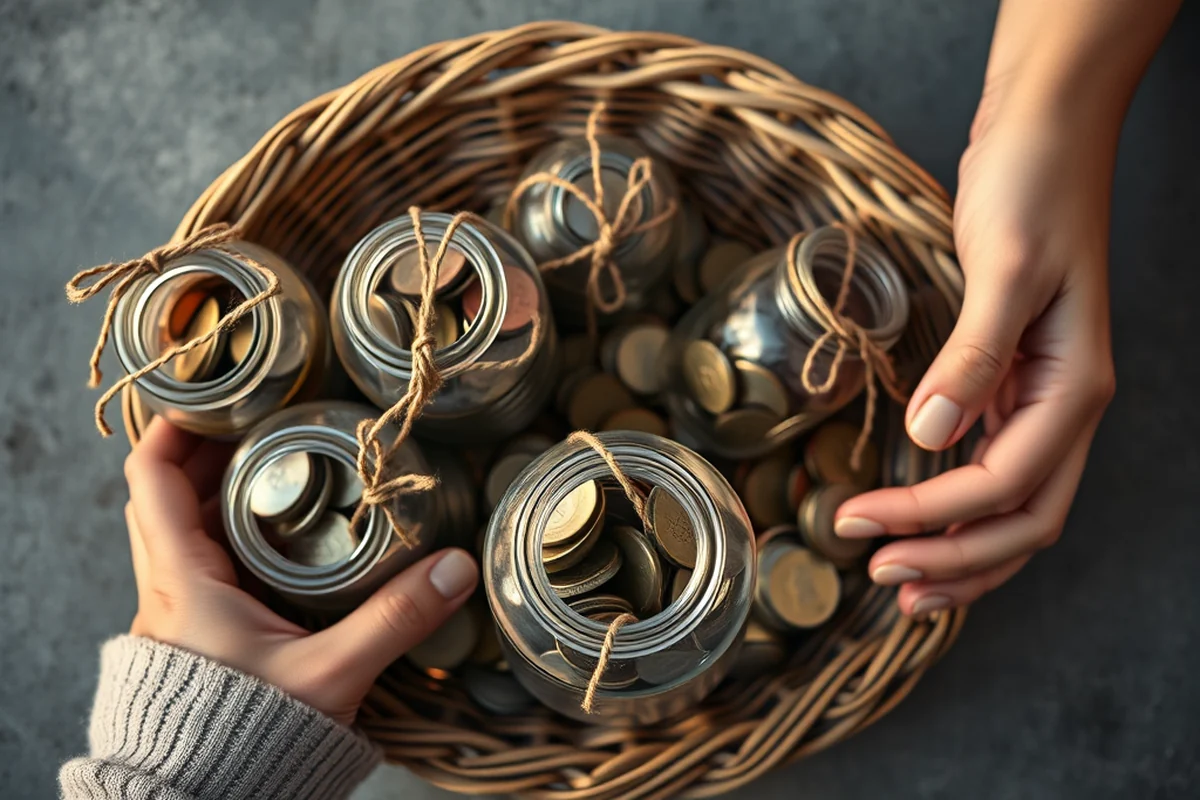
I used to think that compound interest was a complicated concept reserved for wealthy investors. But after learning more about it, I realized that it’s actually one of the best ways to grow my savings. Compound interest means that the interest you earn on your money starts earning interest itself, which can lead to exponential growth over time.
For example, if I save $100 a month in a savings account with a 1.5% interest rate, after 10 years, I would have saved $12,000 and earned about $1,125 in interest. But if I let that interest compound, the total amount would actually be higher. I’ve seen the power of compounding in action, and it’s one of the main reasons I keep my money in a savings account instead of just leaving it in cash.
The earlier you start saving, the more time your money has to grow. Even small contributions can lead to substantial returns over time. That’s why I recommend starting as soon as possible, even if you can only save a little each month.
Related: 401k retirement how much
Avoiding Common Savings Account Mistakes
One of the most common mistakes I see people making is not setting up automatic transfers. Many people rely on willpower to save, but that’s not reliable. I’ve tried doing it that way before, and I inevitably forget to transfer money into my savings account each month. Setting up automatic transfers ensures that my savings grow consistently, even if I’m not thinking about it.
Another mistake is not reading the fine print. I used to open accounts without looking at the terms and conditions, and that led to problems. For instance, I once opened an account that had a monthly fee if I didn’t maintain a minimum balance. I didn’t realize that until I had already lost $10 a month for several months. Now, I always make sure to read the details before opening any account.
I also see people failing to monitor their savings accounts regularly. It’s easy to forget about your savings, but checking in on it from time to time can help you stay on track. I check my savings account every few weeks to make sure everything is working as expected and to adjust my contributions if needed.
Related: Is a money market account checking or savings
The Role of a Savings Account in Long-Term Planning
Long-term financial planning is all about making sure you’re prepared for the future, and a savings account is a key part of that strategy. I’ve used my savings account to build an emergency fund, save for a home, and even fund my children’s education. It’s one of the most versatile tools I have.
Having a savings account gives me the flexibility to use my money for different purposes over time. For example, I can save for a vacation now and then use the same account to save for a down payment on a house in a few years. That kind of adaptability is something I couldn’t get from other types of accounts.
I also find that a savings account helps me stay disciplined with my spending. Knowing that a portion of my income is automatically going into savings makes me more mindful of my expenses. That has helped me build better financial habits and achieve my goals faster.
A savings account isn’t just a place to keep money—it’s the key to your financial freedom.
Related: Etrade premium savings account
The Future of Savings Accounts
Savings accounts are no longer just about earning a little interest. With the rise of fintech and digital banking, savings accounts now come with powerful tools and features that can help you manage your money more effectively. I’ve used a few of these tools myself, and they’ve made a real difference in how I save and invest.
One of the most useful tools I’ve found is the ability to set financial goals within the app. Some banks allow you to create goals like 'Save for a Car' or 'Build an Emergency Fund' and track your progress in real time. That makes saving more engaging and gives me a clear picture of where I’m headed.
I’ve also started using savings accounts that offer investment options, allowing me to grow my money even faster. These accounts let me invest in low-risk funds or even cryptocurrencies, depending on my risk tolerance. It’s exciting to see how savings accounts are evolving to meet the needs of modern savers.
💰 Tight Budget
Ideal for those with limited income, offering low or no fees and flexible contribution options.
🚀 Aggressive Payoff
Best for those looking to grow their savings quickly with high-interest accounts and bonus programs.
🧾 Irregular Income
Perfect for individuals with unpredictable income, offering flexible deposits and no minimum balance requirements.
👫 Couples
Designed for couples who want to save together, with joint accounts and shared financial planning tools.
🎓 Beginner
Suited for new savers with no prior experience, offering simple interfaces, educational resources, and low-risk options.
| The mistake | Why it happens | The fix |
|---|---|---|
| Not setting up automatic transfers | Automatic transfers help ensure consistent savings and reduce the temptation to spend the money instead. | Use your bank’s app or website to set up automatic transfers from your checking account to your savings account. |
| Not reading the fine print | Many savings accounts come with hidden fees, minimum balance requirements, or other restrictions that can negatively impact your savings. | Always read the terms and conditions before opening a savings account and ask questions if you don’t understand something. |
| Failing to monitor your account | Not checking your savings account regularly can lead to missed opportunities or unexpected fees. | Set a reminder to check your savings account at least once a month and review your account details for any changes. |
| Using your savings account for everyday expenses | Savings accounts are not meant for daily spending, and using them for that can leave you without a financial buffer when you need it most. | Keep your savings account separate from your checking account and only use it for long-term goals and emergencies. |
Bank Savings Account
Common Questions
What is the best interest rate for a savings account?
Can I earn interest on my savings account even if I don’t deposit much?
How often is interest paid on a savings account?
Can I use a savings account for everyday expenses?
References
- Analysis of CFPB consumer complaints related to debanking (banking.senate.gov)
- Savings Fitness: A Guide to Your Money and Your Financial Future (dol.gov)
- The Economic Importance of Financial Literacy: Theory and Evidence (pmc.ncbi.nlm.nih.gov)
- Five Steps to Building Generational Wealth - DFPI (dfpi.ca.gov)
- Evidence-Based Strategies to Build Emergency Savings (files.consumerfinance.gov)
Cite this guide
Retirement Account Optimization (2026). Bank Savings Account. https://taxsmartpath.com/bank-savings-account/
Feel free to cite or share this guide.