What Is A Saving Account
📖 Table of Contents
- What Exactly Is A Savings Account?
- How Do Savings Accounts Work?
- Why Having A Savings Account Is Important
- What Are The Different Types Of Savings Accounts?
- How To Choose The Right Savings Account For You
- Common Misconceptions About Savings Accounts
- Tips For Maximizing Your Savings Account
- Make It Your Way
- Frequently Asked Questions
I remember the first time I opened a savings account. It was a crisp Tuesday afternoon, and I sat at a bank branch with my first paycheck, unsure of what to do with the extra $300 I had after paying rent and groceries. I had heard the term 'savings account' before, but I didn’t know what it really meant or how it could help me. That day, I learned that a savings account is more than just a place to store your money—it's a tool that can grow your wealth, protect your financial stability. Help you build a future you can be proud of.[1]
Back then, I didn’t know that my money could earn interest just by sitting in a savings account. I didn’t realize that having a savings account was one of the simplest and most effective ways to start building financial health. I had always thought that investing was for people with a lot of money or complicated financial strategies. I was wrong. In reality, a savings account is the first step for anyone who wants to take control of their money and start living with more security and purpose.
Over the past few years, I’ve opened multiple savings accounts, experimented with different types, and watched my money grow slowly but steadily. I’ve also seen what happens when people don’t have a savings account—missed opportunities, unexpected expenses, and the constant stress of not knowing where the next paycheck will come from. A savings account is not just about saving money. It's about creating a foundation that supports your life, your goals, and your dreams.
Why You'll Love This Article
- Understand the true purpose and function of a savings account.
- Learn how to choose the right type of savings account for your goals.
- Avoid common mistakes that prevent people from building real savings.
- Discover how to maximize your savings while minimizing fees and risks.
What Exactly Is A Savings Account?
As of September 2026, a savings account is a type of bank account that allows you to store your money securely while earning a small amount of interest. Unlike a checking account, which is meant for daily transactions, a savings account is intended for longer-term storage of funds. Banks offer these accounts to help you build wealth and avoid the temptation of spending money that you’ve set aside for a specific purpose.
One of the main differences between a savings account and a checking account is the level of access. Savings accounts typically have limits on the number of withdrawals you can make in a month, which helps prevent impulsive spending and encourages disciplined saving. Many banks also offer online access, mobile apps, and even automated transfers to help you manage your savings more efficiently.
The interest rate on a savings account can vary widely depending on the bank and the current economic climate. However, even a small rate can make a difference over time. For example, if you save $1,000 in a savings account with an annual interest rate of 1%, you’ll earn about $10 in interest each year. That might not seem like much, but it adds up when you consistently save and leave the money in the account for a long time. ($100, pmc.ncbi.nlm.nih.gov)[2]
Even if you can only save $10 a week, it adds up quickly. Set up automatic transfers from your checking account to your savings account to make saving easier and more consistent.
Part of our Account contribution guide.
How Do Savings Accounts Work?
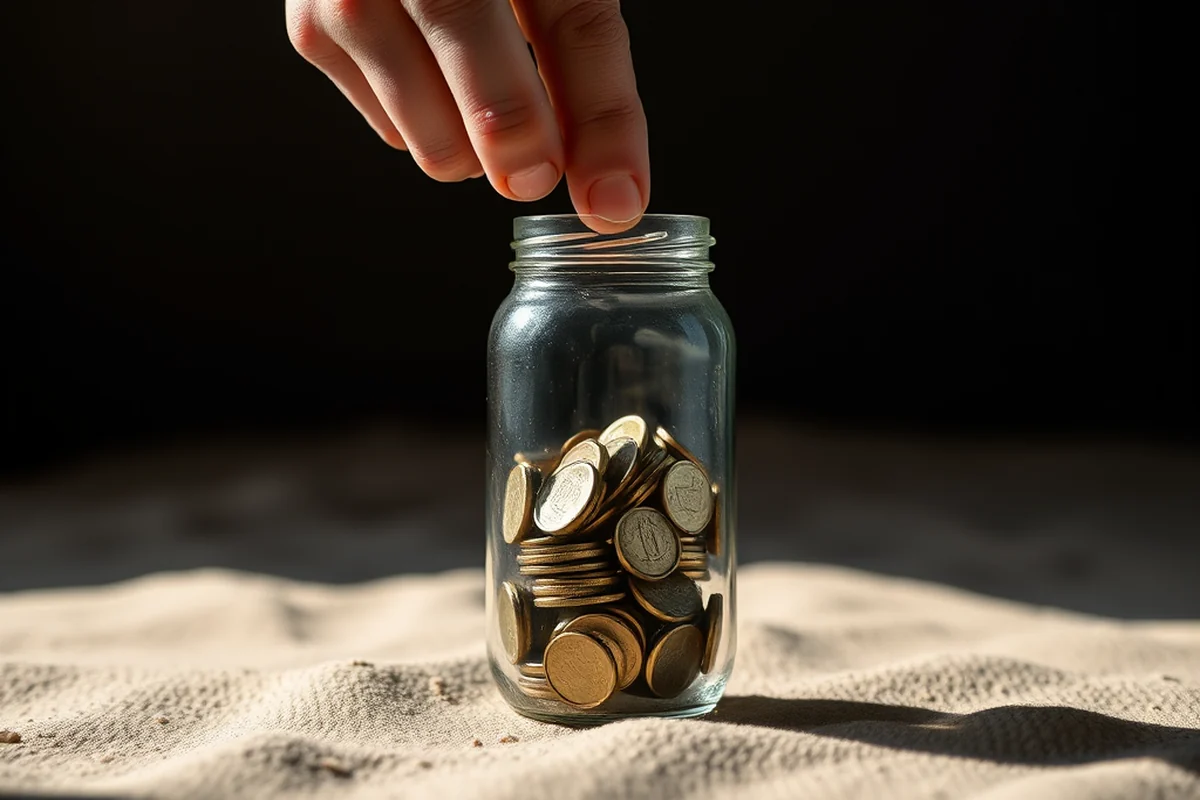
When you open a savings account, you deposit money into it, and the bank holds that money for you. In exchange, the bank pays you interest on your balance. The interest rate is usually low, but it compounds over time. For example, if you deposit $500 and earn 1% interest annually, you’ll have $505 after a year. The next year, the interest will be calculated on the new total, leading to slightly more earnings each year.[3]
Banks also impose rules on how much you can withdraw from your savings account in a given period. These are typically set by the bank and are designed to prevent the account from being used like a checking account. Usually, you can make a limited number of withdrawals per month, such as three or six, depending on the bank and the type of account you have.
There are also fees associated with savings accounts. These can include monthly maintenance fees, minimum balance requirements, and fees for excessive withdrawals. It's important to read the terms and conditions of your savings account carefully to avoid unexpected charges. Some banks waive these fees if you meet certain conditions, like maintaining a minimum balance or setting up direct deposits.
A savings account is like a financial training wheel—it helps you build momentum toward bigger financial goals.
Related: Guideline 401k retirement
Why Having A Savings Account Is Important
One of the most important reasons to open a savings account is to build an emergency fund. Life is unpredictable, and unexpected expenses can arise at any time—like a car repair, medical bill, or job loss. Having a savings account provides a financial buffer that can help you avoid debt and stay on track with your financial goals.
In addition to emergency funds, a savings account helps you save for specific goals, such as a vacation, a new car, or a down payment on a house. By setting aside money in a dedicated savings account, you can avoid the temptation to spend it on everyday expenses and instead use it for the purpose you intended.
Long-term wealth building is another benefit of having a savings account. Even small contributions can grow over time with interest. For example, if you save $50 each month in an account with a 1% annual interest rate, you could have over $1,000 in savings after two years. This may not seem like much, but it’s a solid start to building a financial foundation.[4]
Consider opening multiple savings accounts for different purposes, such as emergency savings, vacation funds, or retirement savings. This helps you stay organized and focused on your financial goals.
“I remember the first time I opened a savings account.”— Retirement Account Optimization editors
Related: Retirement without 401k
What Are The Different Types Of Savings Accounts?

High-yield savings accounts are a popular choice for people who want to earn more interest on their savings. These accounts typically offer higher interest rates than traditional savings accounts, making them ideal for people who want to grow their money faster. However, they may require a higher minimum balance to open or maintain the account.
Money market accounts are another type of savings account that offers higher interest rates and check-writing privileges. These accounts are ideal for people who want more flexibility in accessing their funds while still earning interest. However, they often require a higher minimum balance than traditional savings accounts.
CDs, or certificates of deposit, are a type of savings account that offers the highest interest rates in exchange for locking your money away for a set period of time. If you’re willing to commit to leaving your money in the account for a specific term, CDs can be a great way to earn more interest than you would with a regular savings account.
Related: Retirement account finder
How To Choose The Right Savings Account For You
If your primary goal is to build an emergency fund, a traditional savings account with low fees and easy access may be the best option. These accounts are ideal for people who want to keep their money secure while earning a small amount of interest. They usually don’t require a high minimum balance and are easy to manage.
If you're looking to grow your savings faster, a high-yield savings account or money market account might be a better fit. These accounts typically offer higher interest rates but may require a higher minimum balance or have more restrictions on withdrawals. They’re ideal for people who have a steady income and can afford to keep their money in the account for a longer period of time.
If you're willing to commit to a long-term savings plan, a certificate of deposit (CD) could be the best option. CDs offer the highest interest rates but require you to leave your money in the account for a set period of time. They’re ideal for people who don’t need immediate access to their savings and want to maximize their returns.
Related: 401k retirement guide
Common Misconceptions About Savings Accounts
One common misconception is that savings accounts are only for people with a lot of money. In reality, savings accounts are accessible to everyone, regardless of income level. Even a small monthly deposit can help you build savings over time. Many banks also offer no-fee savings accounts, making it easier for people on a tight budget to start saving.
Another misconception is that savings accounts are only for emergency savings. While it's true that emergency funds are a common use for savings accounts, they can be used for a variety of purposes, such as saving for a vacation, a down payment on a house, or even retirement. The key is to set clear financial goals and choose the right type of savings account for your needs.
Some people also believe that savings accounts are too risky, but in reality, they’re one of the safest ways to store money. Banks are insured by the FDIC (in the U.S.) or similar organizations in other countries, which means your money is protected in case the bank fails. This makes savings accounts a safe and secure option for people who want to grow their money without taking on unnecessary risk.
Don’t let misconceptions stop you from building a better financial future. Start today.
Related: What is a reasonable retirement budget
Tips For Maximizing Your Savings Account
One of the best ways to maximize your savings account is to automate your savings. Set up automatic transfers from your checking account to your savings account so that you don’t have to think about it. This makes saving easier and ensures that you’re consistently putting money into your savings account, even if you’re busy or forgetful.
Another tip is to take advantage of high-yield savings accounts. These accounts offer higher interest rates than traditional savings accounts, which means your money can grow faster. Even a small increase in the interest rate can make a big difference over time. For example, if you save $1,000 in a high-yield savings account with a 2% interest rate, you’ll earn $20 in interest per year.
Finally, avoid unnecessary fees by choosing a savings account that fits your financial situation. Look for accounts with no monthly fees, low minimum balance requirements, and no penalties for early withdrawals. If you’re not sure which account is right for you, consider consulting a financial advisor or doing some research online.
💰 No-Fee Savings Account
Ideal for people who want to save without worrying about fees. These accounts typically have no monthly maintenance fees and low minimum balance requirements.
📈 High-Yield Savings Account
Perfect for people who want to grow their savings quickly. These accounts offer higher interest rates than traditional savings accounts.
📊 Money Market Account
Great for people who want more flexibility in accessing their savings while still earning a good interest rate.
🔒 Certificate of Deposit (CD)
Best for people who are willing to lock their money away for a set period of time in exchange for a higher interest rate.
🎓 Student Savings Account
Designed for students who want to save money for the future without worrying about high fees or minimum balance requirements.
| The mistake | Why it happens | The fix |
|---|---|---|
| Not setting financial goals for your savings account | Without clear goals, it’s easy to lose track of your savings and forget why you’re saving in the first place. | Set specific, measurable financial goals for your savings account, such as saving for a vacation, an emergency fund, or a down payment on a house. |
| Using a savings account like a checking account | Savings accounts are not meant for daily spending. Using them like a checking account can lead to overspending and prevent your savings from growing. | Keep your savings separate from your checking account and use a dedicated savings account for long-term goals. |
| Not understanding the fees and terms of your savings account | Many people open a savings account without reading the fine print, leading to unexpected fees and restrictions. | Always read the terms and conditions of your savings account before opening it. Look for accounts with no monthly fees, low minimum balance requirements, and no penalties for early withdrawals. |
| Opening too many savings accounts at once | Opening multiple savings accounts can be confusing and lead to disorganization. It can also make it harder to track your savings and manage your money effectively. | Focus on opening a few well-structured savings accounts that align with your financial goals. This will help you stay organized and make the most of your savings. |
What Is A Saving Account
Common Questions
What is the difference between a savings account and a checking account?
How much money do I need to open a savings account?
Can I earn interest on a savings account?
Are savings accounts safe?
References
- A Roadmap To Your Financial Security Through Saving and Investing (sec.gov)
- How Financial Literacy and Impatience Shape Retirement Wealth ... (pmc.ncbi.nlm.nih.gov)
- Saving Money and Savings Accounts (dfi.wa.gov)
- Fostering the Future Powered by Trump Accounts (acf.gov)
Cite this guide
Retirement Account Optimization (2026). What Is A Saving Account. https://taxsmartpath.com/what-is-a-saving-account/
Feel free to cite or share this guide.